Notice to Homeowners

Posted By Dwight on February 20, 2009

PROPOSED ORDINANCES FROM THE CITY OF SAMMAMISH WILL AFFECT YOUR PROPERTY RIGHTS AND PROPERTY VALUES!

IT’S NOT TOO LATE!!  JOIN YOUR NEIGHBORS IN STANDING UP AND SPEAKING OUT AGAINST UNREASONABLE RESTRICTIONS ON

  • Building or re-building your dream house on the lake
  • Building or repairing your dock or bulkhead
  • Adding a garage, a greenhouse or addition to your home
  • Landscaping, lighting, and much more…

The City of Sammamish is updating its Shoreline Master Plan which will affect anyone with property within 200 feet of the shorelines of Lake Sammamish, Beaver Lake and Pine Lake.  The new plan — currently under consideration — imposes significant restrictions on our homes and properties.  Once adopted, these rules will be very difficult to change.  Now is the time to take action and ensure the changes not only preserve and enhance our lakes as important natural resources but also preserve the rights of property owners along their shores.

Many of your neighbors have joined together as the Sammamish Homeowners in an effort to understand the proposed changes and work together to protect our rights.  We are making a concerted effort to contact Sammamish City Council members and voice our concerns through writing letters, meeting with Council members and the Mayor, and attending Council meetings.  Time is short however — we have only a few months for us to make a difference.  We need help from all of you along the lake…and now!!

If you too are concerned, please contact us via email at [email protected] to be added to our contact list.  Talk to your neighbors about the City’s plan, become familiar with the changes that could soon affect all of us, and join us at our next meeting!

UPCOMING MEETINGS:

Sammamish Homeowners: Saturday, February 14, 10:00 am, Fire Station 83, 3425 Issaquah Pine Lake Rd. SE, Sammamish, WA  98075 (http://www.eastsidefire-rescue.org/sta83.htm).

City Council Study Session: Tuesday, February 17, 6:30 pm, Sammamish City Hall, 801 228th Ave SE, Sammamish, WA 98075.

Sammamish Homeowners: Saturday, February 21, 10:00 am, Fire Station 83, 3425 Issaquah Pine Lake Rd. SE, Sammamish, WA  98075 (http://www.eastsidefire-rescue.org/sta83.htm).

SAMMAMISH HOMEOWNERS
[email protected]

Share/Save/Bookmark

2-20-09 Weekly update Sammamish SMP

Posted By Dwight on February 20, 2009

One of THE most critical phases for the group is shortly upon us. Preparing draft alternative text that projects a more user friendly tone and incorporates the input the group wishes to have considered by the council. We have asked for a clearer unambiguous draft. We will now have to get specific and put our suggestions to ink. If you have this talent please shout it out! If the task is divided enough we may be able to cover every issue, which is our goal. Please consider this!

2/17/09 City Council Study Session Summary

Updated Schedule

2/10 Study Session #1 Nonconformance
2/17 Study Session #3 Docks, Bulkheads, Buffers
3/17 Public Hearing #1 Proposed Amendments will be available prior to Public Hearing
3/23-3/27 Staff Outreach Dialog Tables with Residents & Stakeholders
4/7 Study Session #3 Subdivision, Public Access
4/14 Study Session #4 Impervious Surfaces, LID
5/5 Study Session #1 Proposed Amendments will be available prior to Public Hearing

Process and Calendar

City Manager, Ben Yazici reviewed the proposed calendar with council and there was discussion regarding providing the public sufficient time to review the proposed amendments and prepare their public comment for each public hearing.  The current proposal is to publish amendments regarding the topics covered in the first two study sessions in advance of the first public hearing.

Based on this schedule we should submit our proposed amendments to the Council for the sections regulating nonconformance, docks, bulkheads, and buffers early next week.

General Discussion

After last week’s Study Session, the council requested staff draft amendments to the nonconformance section but they did not discuss the specifics of these amendments.  The council also discussed some of the input we provided regarding the WAC requirements for nonconformance and appears to be considering eliminating the 75% criteria.  There were also general requests for more clarity and less overreaching language, and a “simple English” version of the regulation to make it easier for council, staff, and citizens to understand.

Study Session Topics

ESA Adolfsen presented information regarding the three study session topics.  The presentation followed the same format for all three topics, state guidelines and existing SMP, additional information, and then proposed SMP with examples. The presentation is available on the City’s website: http://www.ci.sammamish.wa.us/files/document/5377.pdf

Docks

The current restriction of a minimum 200 ft spacing between docks in Urban Conservancy areas is proposed to remain.  There was discussion regarding whether this would prevent a parcel from being allowed a dock (we believe in some cases this would be true) and whether that was something the Council intended.  Discussion regarding whether the regulations for docks should be the same for Sammamish vs. Pine and Beaver, including whether the 8 ft depth is appropriate for Pine/Beaver given the type of watercraft allowed on those lakes and whether any dock regulations in support of salmonids were relevant to Pine/Beaver.  One council member stated she felt the regulations regarding repair versus replace were “draconian”.  The standard for replacement is very low (anything above 10% requires conversion of the replaced area to new materials).

Buffers

The big change with buffers is the building setback on Pine/Beaver is proposed to change to a buffer (buffers and setbacks have different allowed uses and regulations).  There was a suggestion to allow the same active use area within the buffers regardless of lake (the proposed draft has a smaller active use area defined for Pine/Beaver), and to make the size of the water-oriented accessory structure allowed in the buffer (150 s.f.) consistent with the accessory structure dimensions in the general Sammamish development code (which is 200 s.f.).

Shoreline Armoring (Bulkheads)

There was comparatively little information presented or discussed on this topic prior to the public comment session.  Adolfsen reviewed the State guidelines and stated that the existing regulations are generally consistent with State guidelines.

Public Comment

Nearly 20 Sammamish Homeowners participants attended this week’s Study Session and many spoke during the Public Comment portion of the study session.  Jim Creevey masterfully painted a picture of how critical docks are to lakeowners’    enjoyment of their property and the lake and his comment about requiring neighbors to share a dock is like requiring neighbors to share a driveway drove home one of his many important points.  Collectively, we covered many of the most challenging regulations related to nonconformance, docks and overwater structures, impervious surface, and shoreline armoring.

Schedule Changes:

Tue 3/17/09 6:30 pm CoS Hall Public Hearing SMP #1 Amendments
Sat 3/14/09 10-noon Station 83 SHO Meeting (public hearing issues)
Tue 3/10/09 6:30 pm CoS Hall Study Session
Sat 3/7/09 10-noon Station 83 SHO Meeting (impervious)
Thu 3/5/09 email amendments to CC
Tue 3/3/09 6:30 pm CoS Hall Regular Meeting
Sat 2/28/09 10-noon Station 83 SHO Meeting (nonconforming docks)
Wed 2/25/09 5 pm CoS Hall Waterfront to Council?
Sat 2/21/09 10-noon Station 83 SHO Meeting (definitions, bulkheads)
Next Date Time Where What http://www.ci.sammamish.wa.us/CityCouncil.aspx

All meet with all CoS Council members (starting 2-25-09 office hours Wednesday’s 5 to 6:30p)
affiliate with other HOA’s
letters to CoS Council

Beginning 2-25-09 Sammamish City Council is hoping to see you during their Office hours 5 to 6:30p every Wednesday

Today we received the text version of the current draft Samm SMP, soon maybe other Cities’?

Tasks to do prior to next council meeting:

  • draft proposed language
  • All meet with all CoS Council members
  • affiliate with other HOA’s
  • letters to CoS Council
  • letter to potential new members is on Dwight’s blog

We are staring to spend money. If we find some, we will not have to sell candy bars at the soccer game! I hope! Oh yeah we also need someone who does not like money, to watch it.

Share/Save/Bookmark

Sammamish Homeowners Group Report to the City Council

Posted By Dwight on February 17, 2009

The pdf below is a report that was created by the Sammamish Homeowners group. We are a group of individuals with the common goal of a better reasoned, more equitable, and more effective Sammamish Shoreline Management Program. This first report covers existing homes with in 50′ of the shoreline in the City of Sammamish. The residents who live and own property in the shoreline jurisdiction we have hundreds of years of accumulated knowledge and experience with the shorelines and lakes in the City of Sammamish.  Thank you for considering our views and recommendations.

Sammamish_Homeowners_Group_Report.pdf

Here are links to other pertinent documents:

Share/Save/Bookmark

Exterior Columns that last 1

Posted By Dwight on January 24, 2009

I love the look of old fashioned paneled columns but rain, wind, and sun can cause wooden panels to shrink and crack. Water gets under the paint and it starts to peal. No one wants the maintenance that comes with that.

We are in the middle of a project that has a gorgeous view, and a direct South West exposure to the elements. We decided to make our paint grade columns out of a plastic wood called Azek.

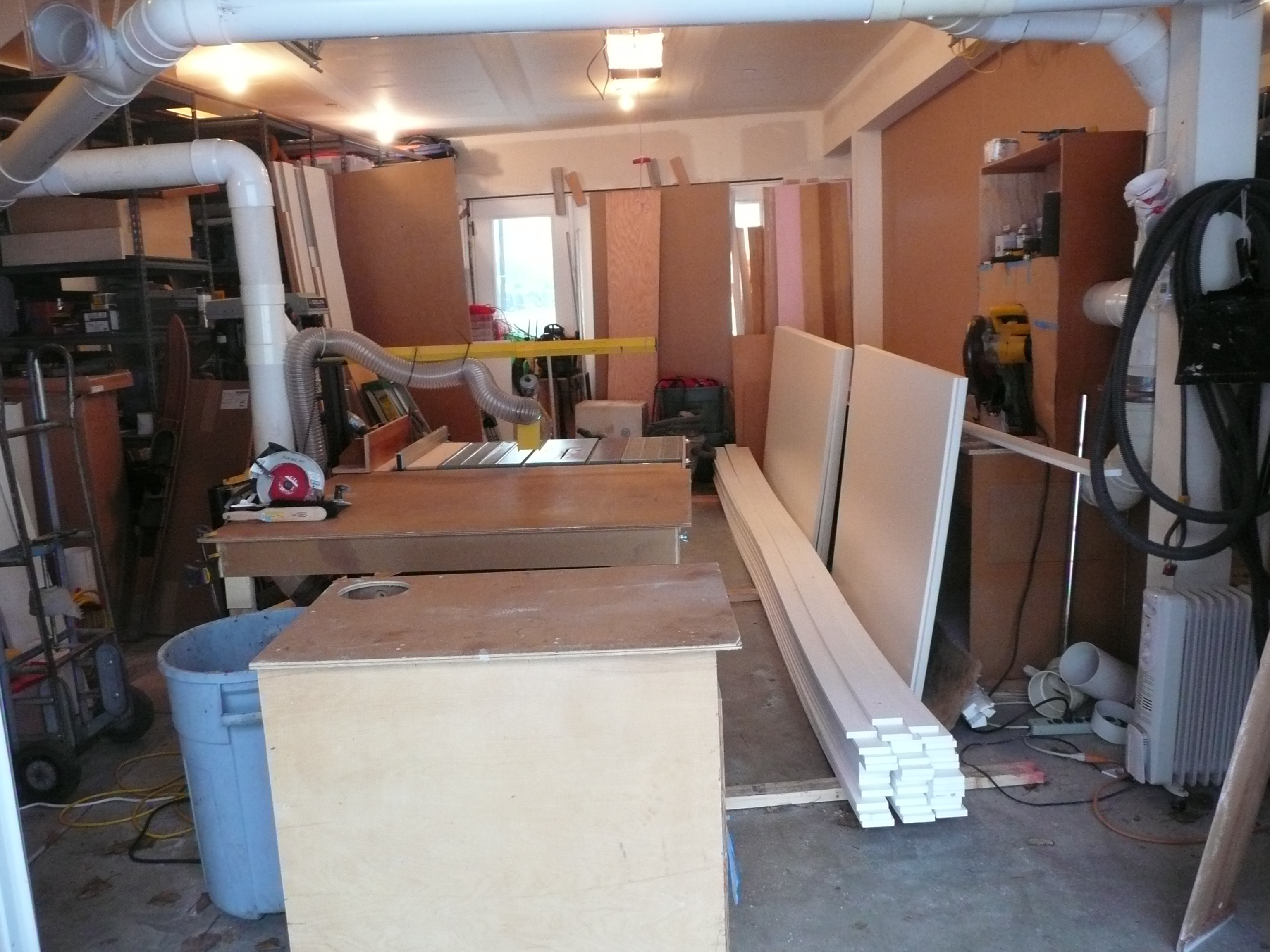
Here is a picture of my shop with the plastic lumber ready to go. Yes, it is a small shop! I have to be thoughtful about how I sequence the work.

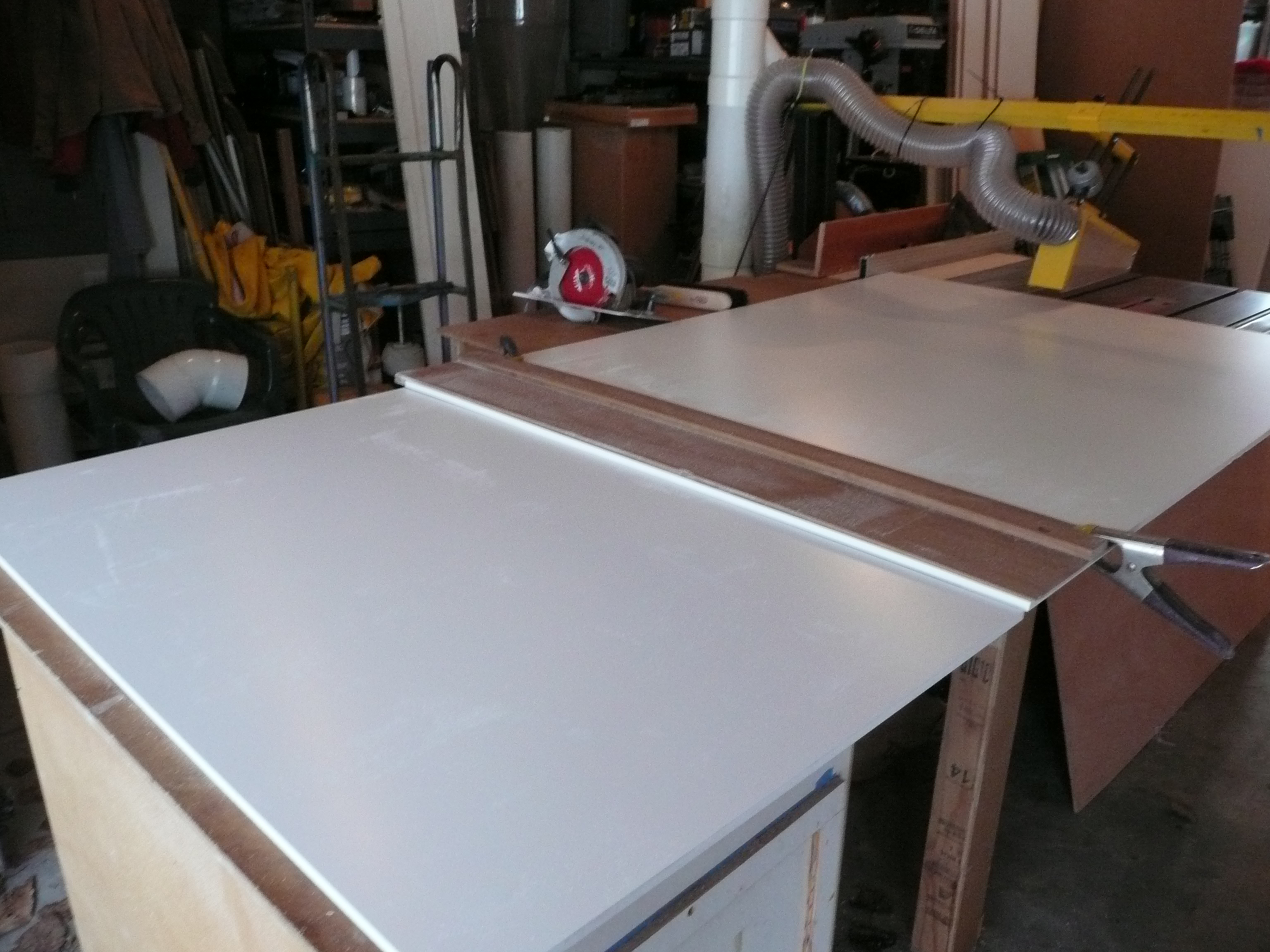
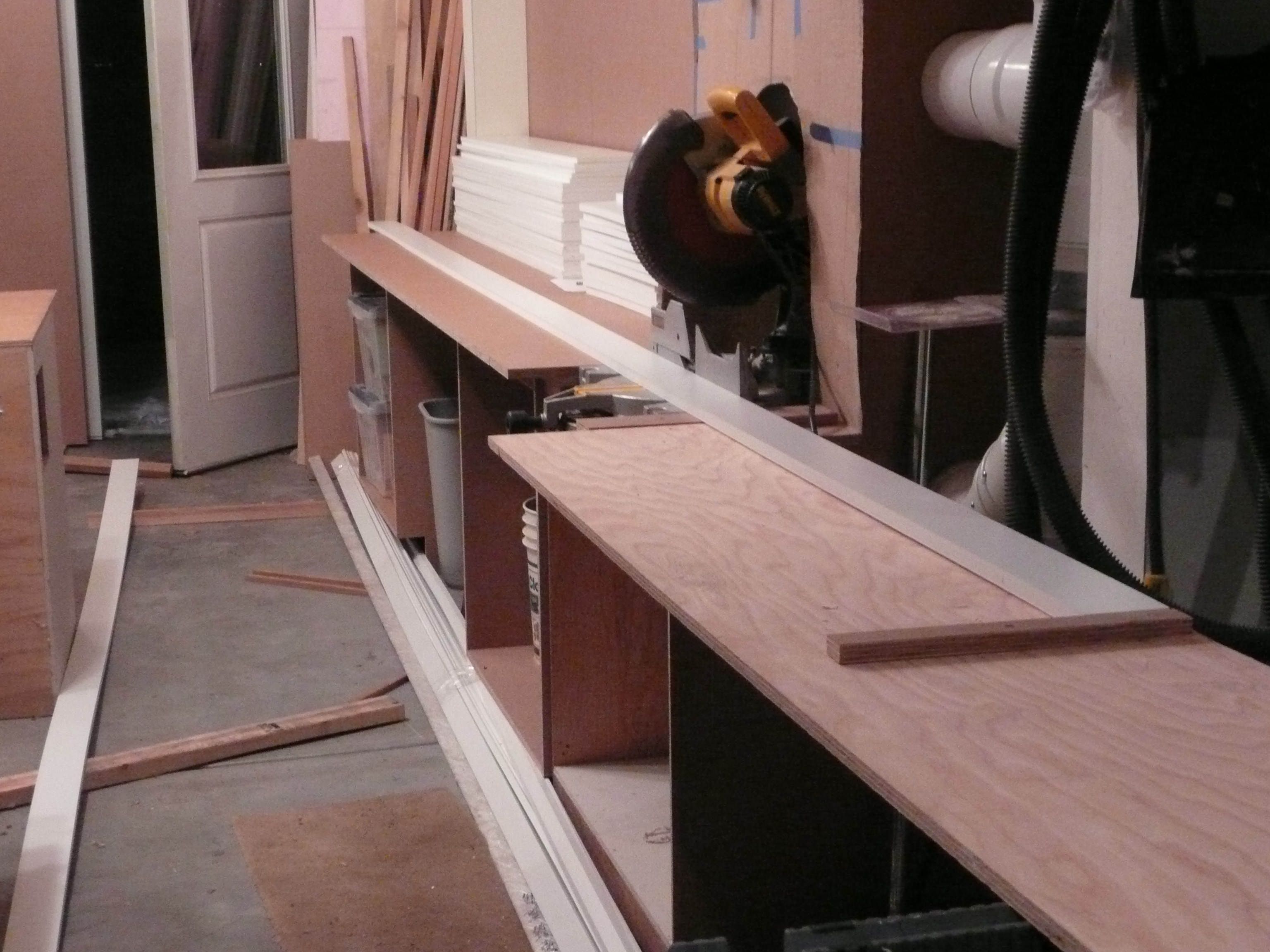
Half of the columns will be less than 8′ tall, so I start by trimming the panels to length with a cut off jig and a circular saw.

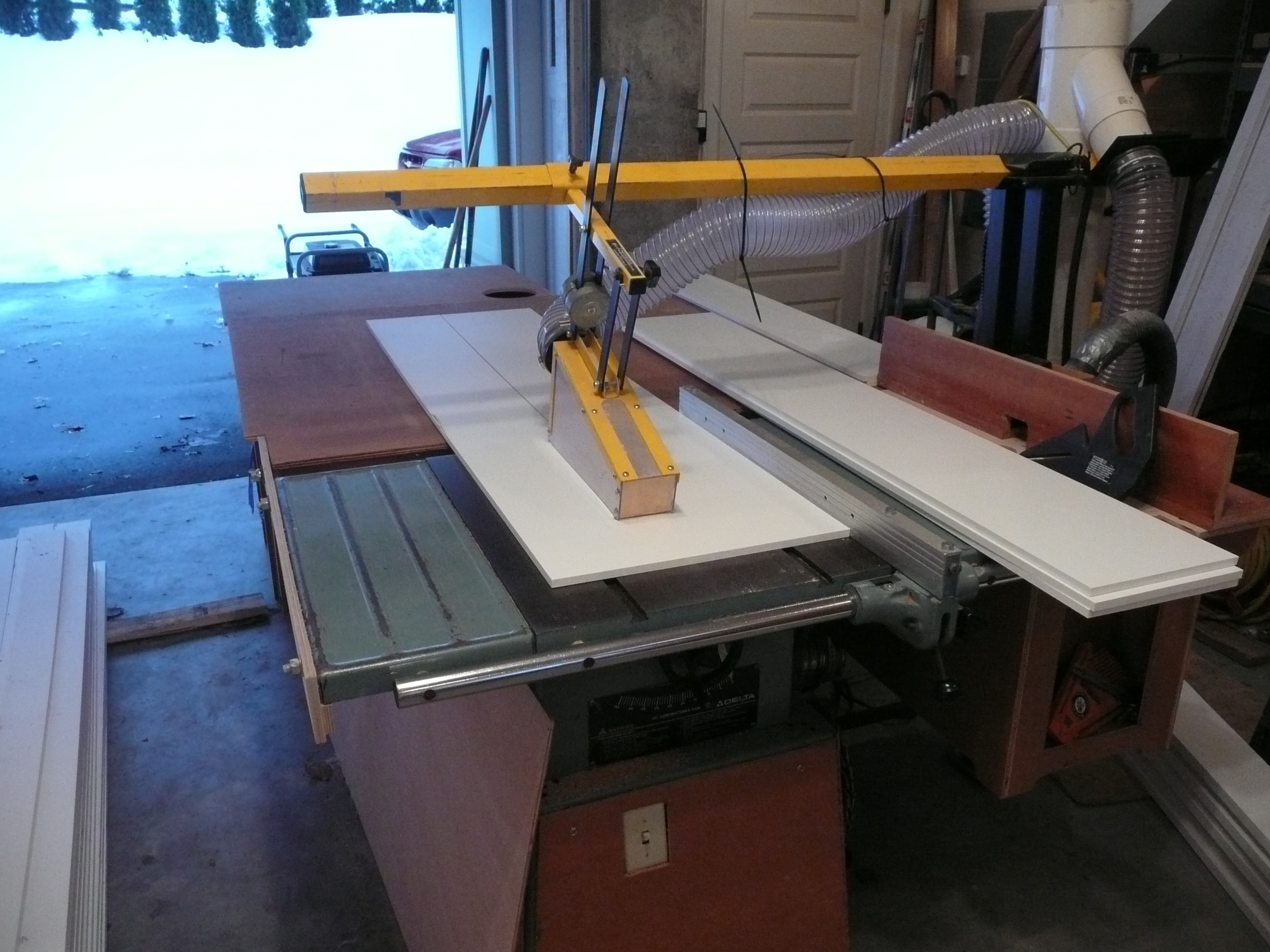
Then I rip all of the panels to width.

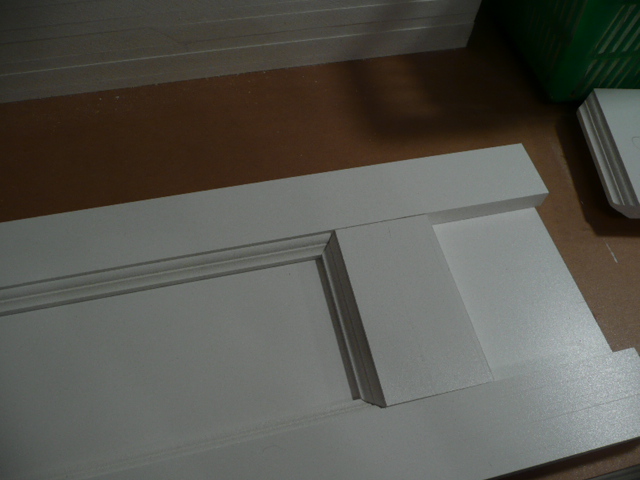
Next I cut the styles for the recess panel frames to length. One reason I like working in the shop is that I have my stationary tools connected to a dust collection system. Routing the edges of the style and rail more than filled a metal garbage can.

Here is a picture of a face with the style and rail.

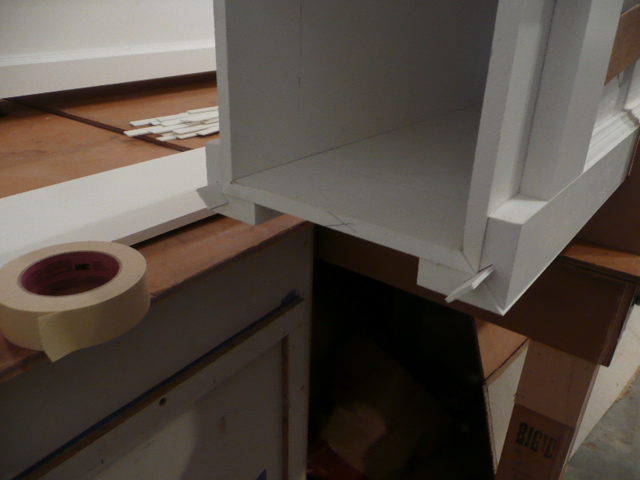
After gluing up the panels we miter the corners and add a spline. The spine helps align the joint and provides more glue surface. I over cut the miter so the outside edge is tight, so there is a small gap on the inside of the joint. The spline makes up for some of the lost glue surface. I find when I spline a corner I do not need to pin nail it. If I need pins at all I will use 18 gauge stainless steel nails. In this case tape was all we needed.


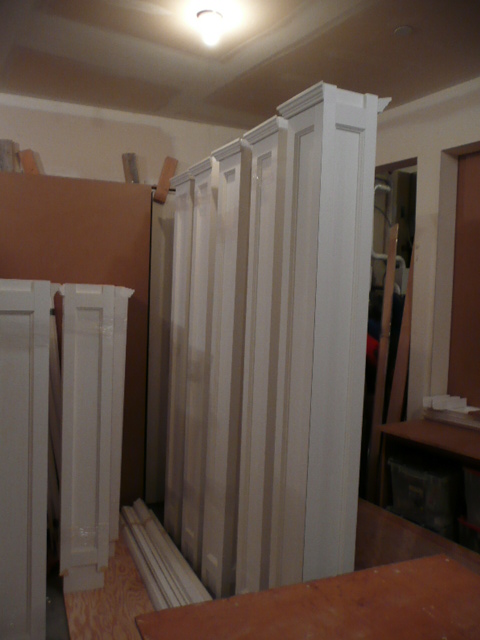
Here are some box columns ready to be delivered to the site.

These sloped caps go on top of the crown mold, under the box beams.


These columns are looking great! 

Next it is off to the site for installation and the final trim.

All for now,

Dwight

Share/Save/Bookmark

New SMP Draft available

Posted By Dwight on January 21, 2009

Yesterday City Staff posted the Shoreline Master Plan as recommended to the City Council. There was a meeting on January 6 where this document changed hands from the Planning Commission to the Council. You can see the plan and other documents relating to the SMP at this location: http://www.ci.sammamish.wa.us/SMP.aspx

It is also noted that DOE requires the new rules go into effect by December of this year. The City is supposed to be done writing the rules in June and then they go to DOE for approval, so they could become law well before December.

Many shoreline owners are upset about the additional restrictions that these rules place on them. If you would like to know more about what you can do or how you can be involved, please give me a call or send me an email. Now is the time to speak up and let the City Council know what you think.

Dwight K. Martin

425-868-4217

Share/Save/Bookmark

Notice to Shoreline Residents – January 15 2009

Posted By Dwight on January 15, 2009

Shoreline Residents:                                                        January 2009

Planning Commission Approves New Shoreline Rules

Lakefront residents face greater restrictions

Who is affected?

All property owners within 200’ of Pine Lake, Beaver Lake, and Lake Sammamish.

What new Rules?

The new regulations are called the “City of Sammamish Shoreline Master Plan Update” (SMP). The new SMP contains 73 pages of regulations. This is in addition to the 61 page “Critical Areas Ordinance” (CAO) which already regulates shorelines in the city. All remodeling, home improvements and new construction must comply with the City’s SMP and CAO.

When will the new rules become Law?

The City Council will review these rules at meetings in February, March, and April. The Department of Ecology must approve the final draft. The expectation is that the new rules will become law before the end of 2009.

How could this affect you?

Our lakes are a precious resource and they need to be protected. Shoreline residents also deserve fair treatment and must retain the right to maintain and improve their properties. Recent changes in the CAO made many homes non-conforming with existing codes. The new SMP removes some of the “grandfathered” rights to improve non-conforming structures; shoreline restoration is required of those who are remodeling even just interior spaces. Homes built before January 3, 2006 closer than 50’ to the shoreline will be most affected.

What can you do?

Let the City Council know your thoughts by letter or speaking at their meetings. Read the plan to see how it may affect you. If you would like to build or remodel in the next two years you may want to get a building permit sooner than later. You can find more information on my website: www.BuilderontheLake.com or contact me at 425-868-4217.

Sincerely,

Dwight Martin

Share/Save/Bookmark

Creating A “Forever Home” on the Lake

Posted By Dwight on January 11, 2009

Creating A “Forever Home” on the Lake

Building a house to live happily ever after on the water

 opens a world of possibilities, involves special considerations—

and requires a builder who knows how to turn your vision into reality.


Lakeside living can be dreamlike: the water works its magic day and night, season to season, appealing to each of the senses in extraordinary ways.  Sometimes looking into the lake is akin to gazing into a firepot: hypnotic, ever-changing, transporting.  Every element in nature is enhanced.  The air seems cleaner, the sun is brighter; the clouds more voluminous; the wind, rain and snow are liberated from the snags of hills and buildings.   

You want it, right?

Okay, let’s do it right!  It starts by working with a builder who understands two overarching issues:

·         What you want in a home, and

·         How to fully realize this within the parameters of the lakeside environment.

Step One: Dream a Little

When you envision your lake house, what do you see?  A cottage with a sleeping porch and flower boxes?  A Mediterranean palace?  A Pacific Northwest version of Walden Pond?  If you are drawing a blank, think about a childhood vacation spot that holds special memories.  Dream a little.

Then incorporate reality.  How do you live?  Are you going to be an empty-nester in the near future, or should the home be child-friendly and a place where teens can gather?  What do you love about your current house—and what do you wish you had?   

All of these issues are compounded by the fact that your location is sure to become a destination: you don’t know how many friends you have until you have a lake house.  Consider what kinds of entertaining you might do and how it will impact your kitchen and pantry needs.  Perhaps you want to incorporate a wine cellar and party fridge.  What kind of guest accommodations should you have?  How about an outdoor shower?  Beach access to a bathroom will keep your floors cleaner longer.

Now that you’re getting some ideas together, let’s talk about where your lake home will go.

Step Two: Best use of the Site

Perhaps you are one of the lucky people who already has lakefront property.  But maybe you need to go lot shopping, or have spotted a parcel that looks like it has potential.  Then it is wise to retain a builder who has waterfront expertise—and access to experts who can verify if the land is viable—so that you know what you’re getting into before ground is broken. 

There are a number of special considerations when building on a lake lot, including:

·         They are often narrow, so careful thought has to be given to the size of the rooms and which ones will take the greatest advantage of the view;    

·         The entrance on the shore side is the front door—but there is also a front door that faces the road—so both elevations are treated as portals;

·         Side elevations face your neighbors and should be attractive while giving you privacy.

The house should be sited to take full advantage of the lot size and lake view—and we mean every single inch of it.  So, this might involve a sunken family room that opens to the view and is positioned in front of a dining room, which is not used as often.  Or “view” priority might be given to the master suite rather than a child’s bedroom.

We give especially careful consideration to how you live, and how the structure can be used with maximum efficiency to accommodate your lifestyle.  Lake lots may have footprint constraints, so efficiently designed rooms work twice as hard to handle your household needs.

When the house is well-sited, the exposure will dictate how light plays in the house—a big concern during our rainy season, when daylight is at a premium.  How the house is sited will also necessitate special design features, like opaque shades that automatically lower to soften western sunsets—yet are transparent from the interior. 

There are additional concerns in a lake home’s design and construction.  For instance, the structure needs protection from the weather and be able to stand up to storms; good overhangs, first-rate windows and top-quality paint are essential.

Storage needs on the lake are different, too—do you want to keep your water toys, like air mattresses and rowing shells near the shoreline, or should there be a special area in the garage?

Step Three: Design for Outdoor Living

Lakeside living is a celebration of nature, and how you build can both preserve and enhance the shoreline environment.

When you and your builder look at the trees and plant materials that are growing on the parcel, discuss which should or can be saved.  Think about how you will interface with the water and what kind of water sports are in your future.  Are there rockeries or a bulkhead at the shoreline shoreline; can you install a dock, or should you go with a soft shoreline? 

A landscape plan can help you fully enjoy the natural surroundings of your lakeside environment by creating outdoor “rooms” that extend your living space.  If you have an eastern exposure with afternoon shade, a firepot will make the being outside more comfortable in the afternoon and evening; if you have a western exposure, you’re likely to need shade.  We work with landscape planners who are familiar with local microclimates and indigenous plant needs—in addition to being superbly adept at creating exteriors that are a natural extension of your new home.

Step Four: Estimating Time and Money

Here is the nice surprise: you don’t have to pay top price to build on Lake Sammamish, Lake Washington or any other lake in Metropolitan Seattle.  That’s because “Homecrafting” is a dedication to using cost-effective materials that are of timeless design and made to last—as well as being energy-efficient. 

If you’d like to get a working idea of a budget, let us know and we can help you develop a budget that takes into account what you want in a home, as well as things like design, permits, construction and sales tax.

Whether you are in the dream stage, have your eye on a lot, or are ready to move forward with your wish list in hand, give us a call.  You should have a builder that will create your home on the lake with care and quality at its core.  One that will envelop you in comfortable luxury that is authentic—not ostentatious—and delight you and your family for years to come.

 

Share/Save/Bookmark

Stained Glass Dome

Posted By Dwight on January 11, 2009

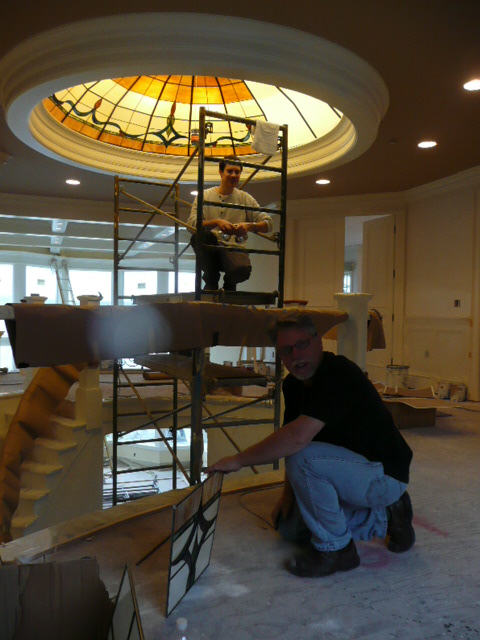
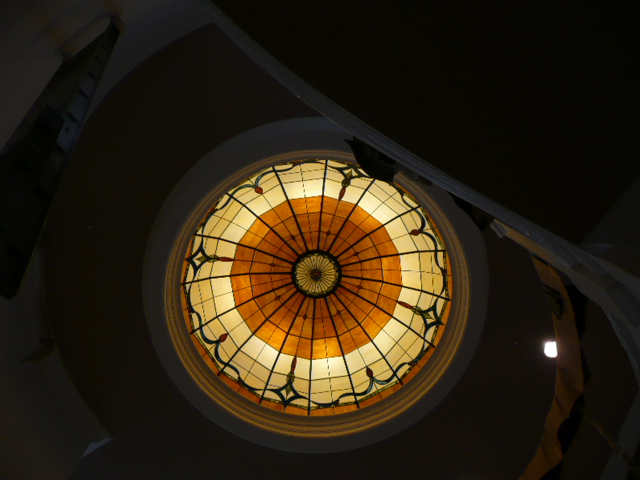
Here is something you don’t see every day. This glass dome graces a two story foyer of a beautiful view home we are nearly done building. The warm glow of the stained glass is wonderful to see at night and is visable from the driveway as you approch the home. Great work guys!

Dwight

Share/Save/Bookmark

A new wine cellar in your future?

Posted By Dwight on January 11, 2009

Nurture Your Inner Oenophile

A wine cellar is a great way to store your collection—

and a beautiful enhancement to your home


Washington is a wonderful place to enjoy wine.  Our local vintners and distributors hold tastings and tours, which is a fun way to learn about wines and decide what you like.  Once you find a nice wine it is great to have several bottles or a case on hand—but this kind of hobby can quickly grow into a 100-bottle collection.  So what are the options for cellaring your purchase?

There is an array of storage choices available, ranging from a small cooler to a basement tasting room and display area.  Small coolers can store 25 to 100 bottles; larger refrigerated cabinets and small closet cellars can hold up to 500 bottles.  With a walk-in cellar the sky is the limit—it can accommodate wines that are smooth and almost ready to drink, as well as the big Cabernets and French Bordeaux that will improve over many years.  So when you are planning your cellar, consider what your needs are and then think about where your cave can go. 

Natural Cooling

First, consider what kind of environment wines like: a cool, dark place with a constant temperature of 55-58 degrees and 55-75% humidity.  A limestone cave would be perfect!  If you don’t have one handy, a basement or even a crawl space in our mild climate can be good alternatives.  One wine expert told me that although 56 degrees might be the optimal temperature for wine storage, a slow seasonal rise up to sixty degrees should not be a problem.  

My first wine cellar was tucked under a staircase.  We insulated the area well and installed a fan that brought cool air up from the crawlspace.  This was an inexpensive solution that allowed us to display our wine, was easily accessible and functioned beautifully for us.  If you’re leaning toward this alternative, be sure your location is in the coolest and most humid part of your house—and that your floor can support the aggregate weight of your collection.

Mechanical systems

After a few years passed and a few more bottles were collected, I built a larger wine closet with a rack capacity of over 500 bottles.  I installed a “through the wall” chiller, which is a good option for cooling a smaller cellar.  The warm air typically vents into the home, so it needs to circulate freely into a hallway or another room in order for the system to work properly.

The next step up is a “split system,” which has equipment both inside and outside the cellar.  It works like a small heat pump or air conditioner, transferring the heat from the cellar to the exterior coil. Larger wine cellars that are not naturally cooled typically need this type of system.

Convenience and Display

Another great place to locate a wine cellar is near the kitchen or dining area.  There are many ways to add character to the cellar, whether it’s with a carved cellar door or a wrought iron gate.  Low voltage lighting can be tastefully integrated into cedar or redwood racks to create a lovely mood.   A dark basement corner can come to life with racks surrounding a tasting table and chairs; add barrels, wine country posters or perhaps a mural to turn the space into a personal, valuable and useful part of your home.

Large or small, a safe place to store the “nectar of the gods” can add to the enjoyment of any home.  Cheers!


Share/Save/Bookmark

SMP comments for the Planning Commission Oct 2008

Posted By Dwight on January 11, 2009

The following letter was submitted to the Planing commission on 10/30/08. I used my allotted 3 minutes of public testimony to describe my concerns further. At their next meeting the Shoreline Master Plan was modified and approved by the Committee. I will review and comment on the revisions once they are made public.

D.K. MARTIN CONSTRUCTION, INC.

5101 E Lake Sammamish Parkway NE

Sammamish, WA  98074

Phone: 425-868-4217    Fax: 425-868-2076

Contractor  License   #DKMARCI119DU                                                                                  


Sammamish Planning Commission

Public Hearing 10/30/08

Comments


Dear Planning Commission members,


While I applaud your efforts to keep Sammamish a great place to live and work, I am very concerned with both the tone and content of the Draft Shoreline Master Plan.


Purpose and Intent

The stated purpose of the plan is to provide effective and reasonable regulations for development, use, and restoration of the shorelines. 25.01.010(1), also to manage shorelines in a “positive, effective, and equitable manner”. (2)


Recent Code changes created many Non-conforming structures.

By including Lakes in the Critical Areas update and increasing the buffers around Lake Sammamish many homes are now considered non-conforming. Given the existing railroad grade, and the proximity of the Parkway to the shoreline waterfront owners have had little choice as to the placement of their homes. Many, if not most of them are located within the 50’ buffer and building setback required from Ordinary High Water.


 Even the partial exemptions allowed in the Critical Areas Code are removed from the Shorelines Plan. 25.01.070(3)

Shoreline residents would not be allowed to add on to their homes. Typically when codes are made more restrictive some exemptions are included that allow existing owners to use and enjoy their property. Use and enjoyment should include the right to improve their property. The partial exemptions in the Critical Areas document should also be allowed; 25.01.070(3) should be removed from the plan.


Shoreline Restoration is required of those who remodel or renovate interiors.

Requiring those who want to remodel or renovate their home to restore their shoreline to a natural state is unreasonable and certainly not equitable. Buildings have a life-cycle. Remodeling and improvement of existing structures should be allowed without removal of bulkheads and planting of buffers. (section 25.10.100 excludes lakes from the description of sensitive areas, therefore the after mentioned exemptions do not apply). Section 25.10.100 requires restoration of shorelines, removal of bulkheads and planting buffer vegetation of those who want to renovate their homes, even in the existing building envelope. Simply renovating 50% of the area of a house requires restoration of 50% of the shoreline area. This is excessive, and not equitable.


Altering the exterior of an existing building is considered a “new use” and requires shoreline mitigation. 25.02.010(28) and 25.308.010(2d).

The definitions section considers exterior improvements as a “new development”. Alterations such as windows, siding, and trellises, should be allowed without required mitigation.


Other excessively restrictive sections of the Plan:


Interior Lighting is limited to some unknown amount by some unknown standard. 25.08.010(5b) on page 34.


Docks are allowed to a certain size, but then are restricted to an undefined “minimum size required for moorage”.Page 36c(ii)


However, docks are only allowed when a mooring buoy is “not feasible”. When would a buoy not be feasible? Does this wording make all docks non-conforming? Remember, the first rule of mitigation is avoidance. Codes should specifically allow what is allowed and specifically restrict what is restricted.


I respectfully ask that the planning committee carefully study the proposed plan and reject the over bearing and inequitable rules noted above.


Sincerely,


Dwight K. Martin

President

D.K. Martin Construction Inc. 

Share/Save/Bookmark